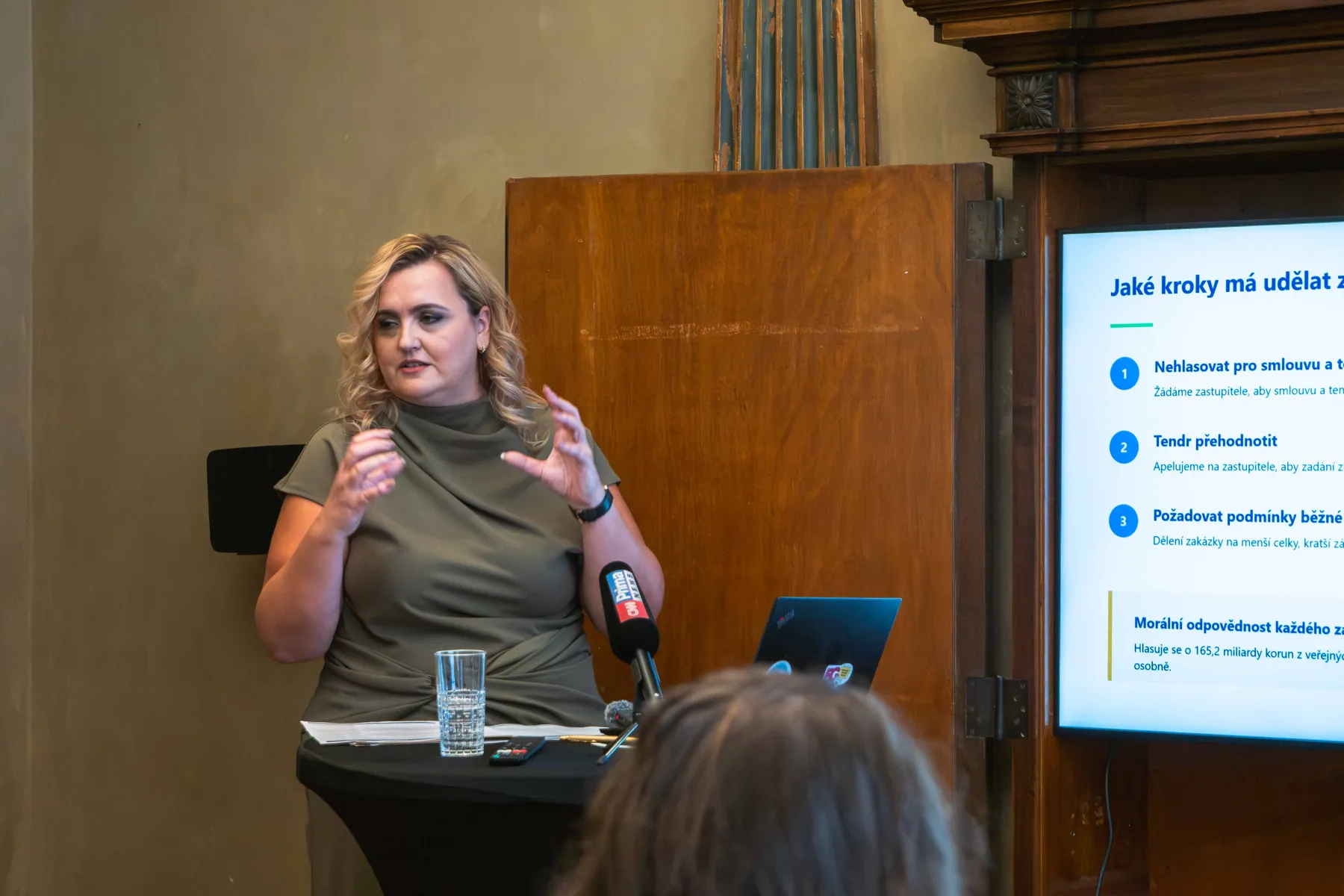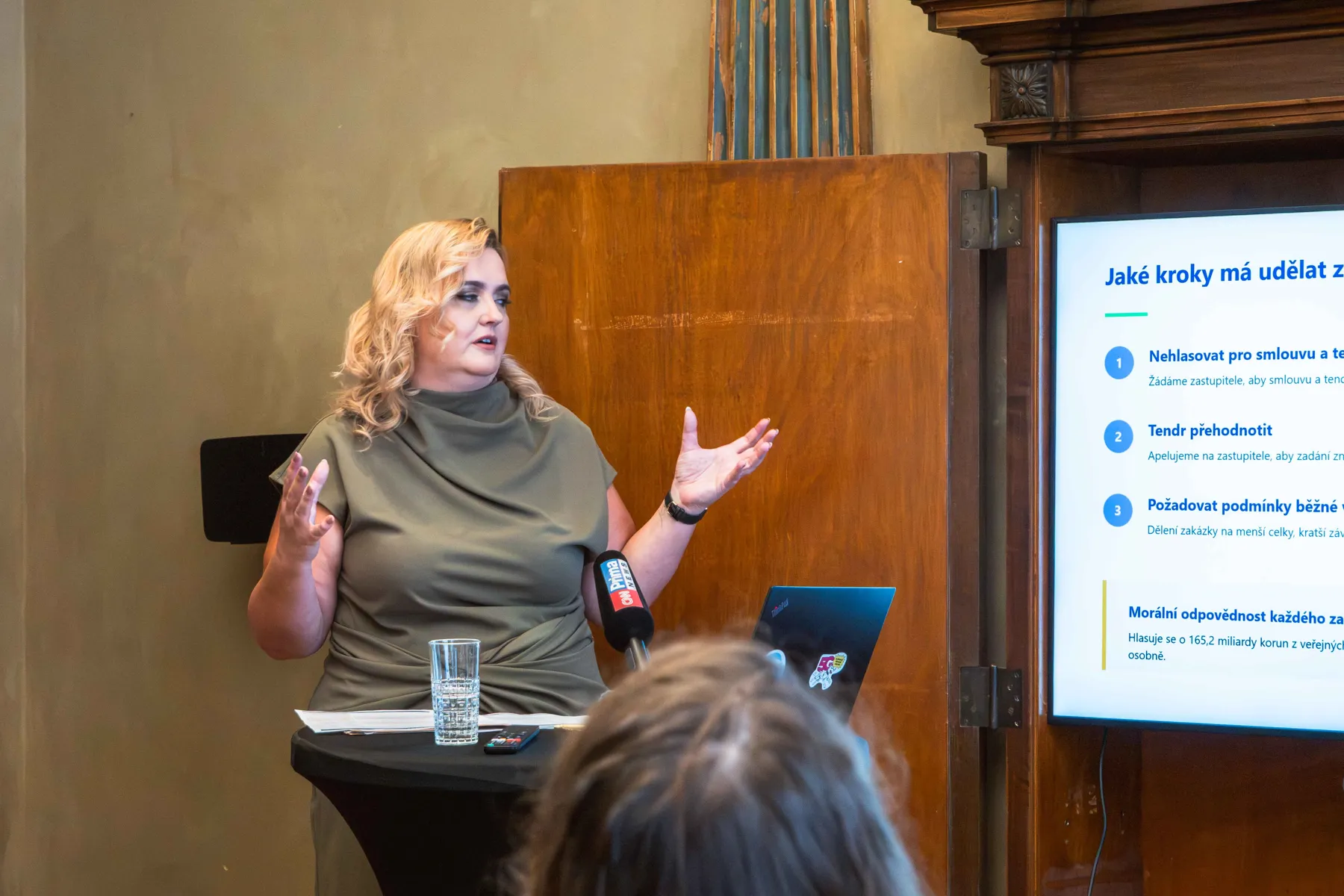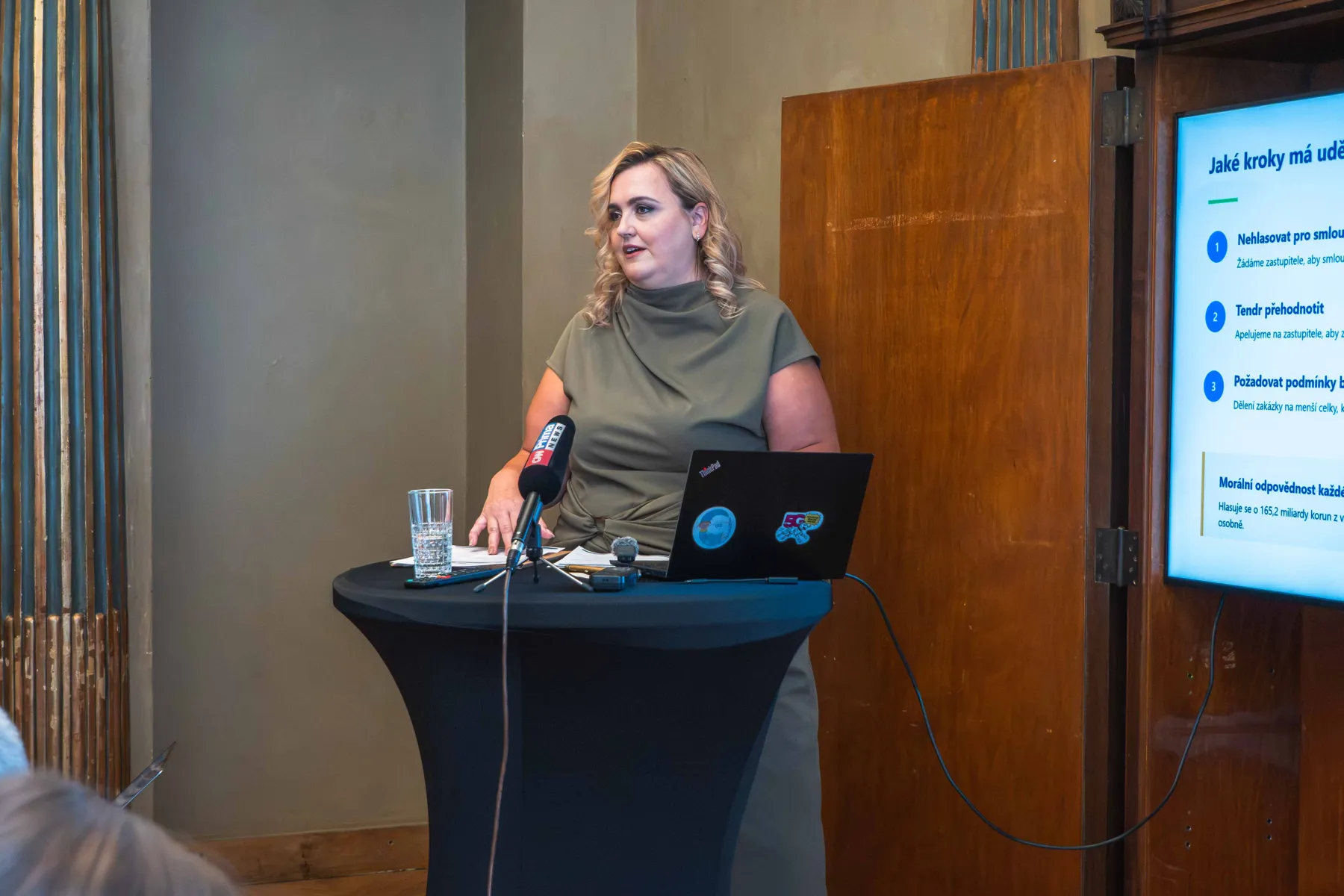
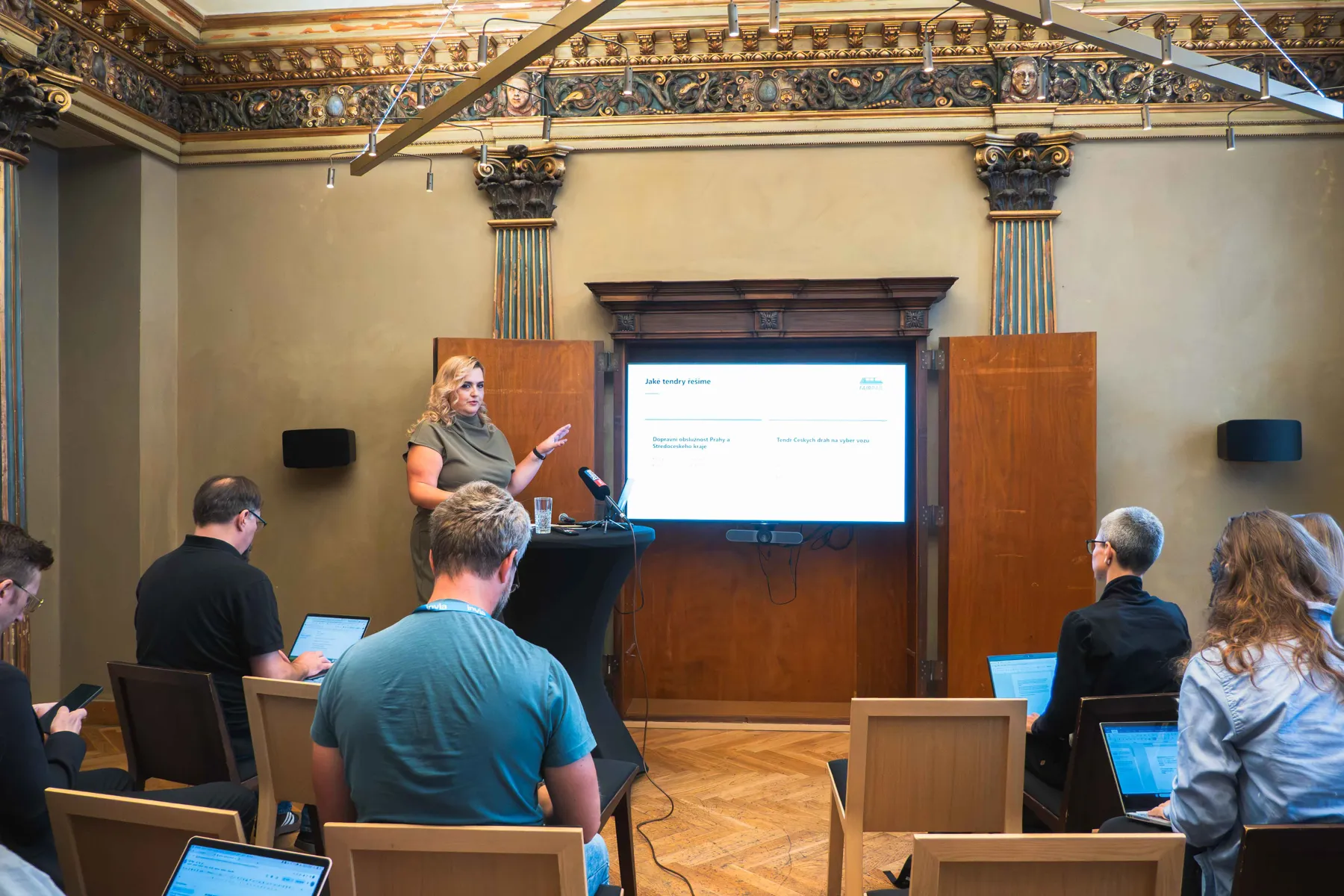
Prague and the Central Bohemian Region are preparing to decide on a 30-year commitment worth CZK 165.2 billion. The Fair Rail Association has raised serious concerns about the structure of the tender, the selection of EMU 400 trains and the evaluation of bids. The association is calling on regional and city representatives to demand clear answers before approving the contract, await a decision by the Czech Office for the Protection of Competition (ÚOHS) regarding a complaint concerning a potentially abnormally low bid combined with an exceptionally long and unprecedented warranty period, and insist on an assessment of the total costs over the trains’ entire service life – rather than focusing solely on their purchase price.
The Fair Rail Association, which focuses on improving transparency, fairness and efficiency in public railway procurement, is drawing attention to serious uncertainties surrounding the tender for railway passenger services in Prague and the Central Bohemian Region, as well as the subsequent procurement of new EMU 400 trainsets by Czech Railways (České dráhy).
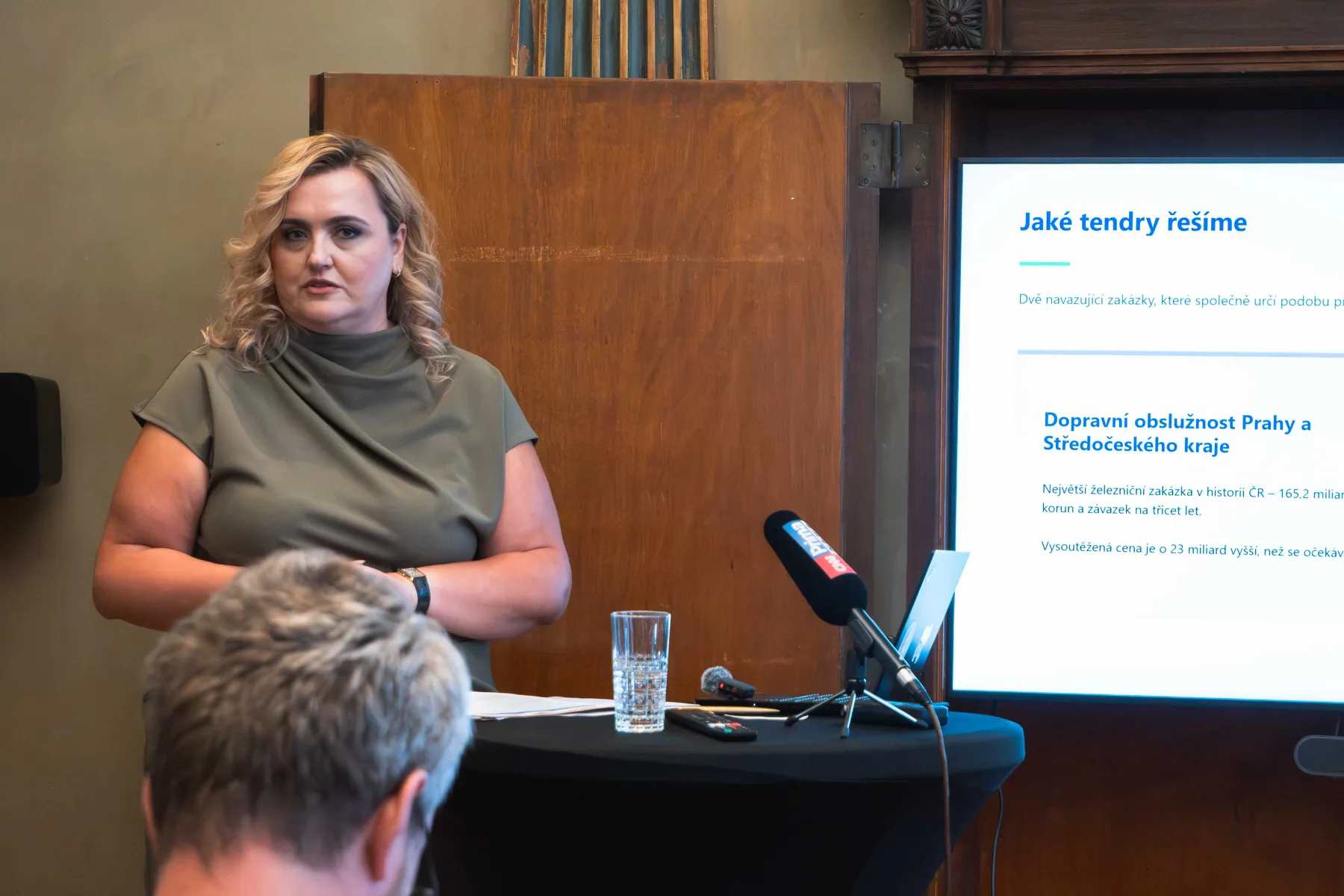
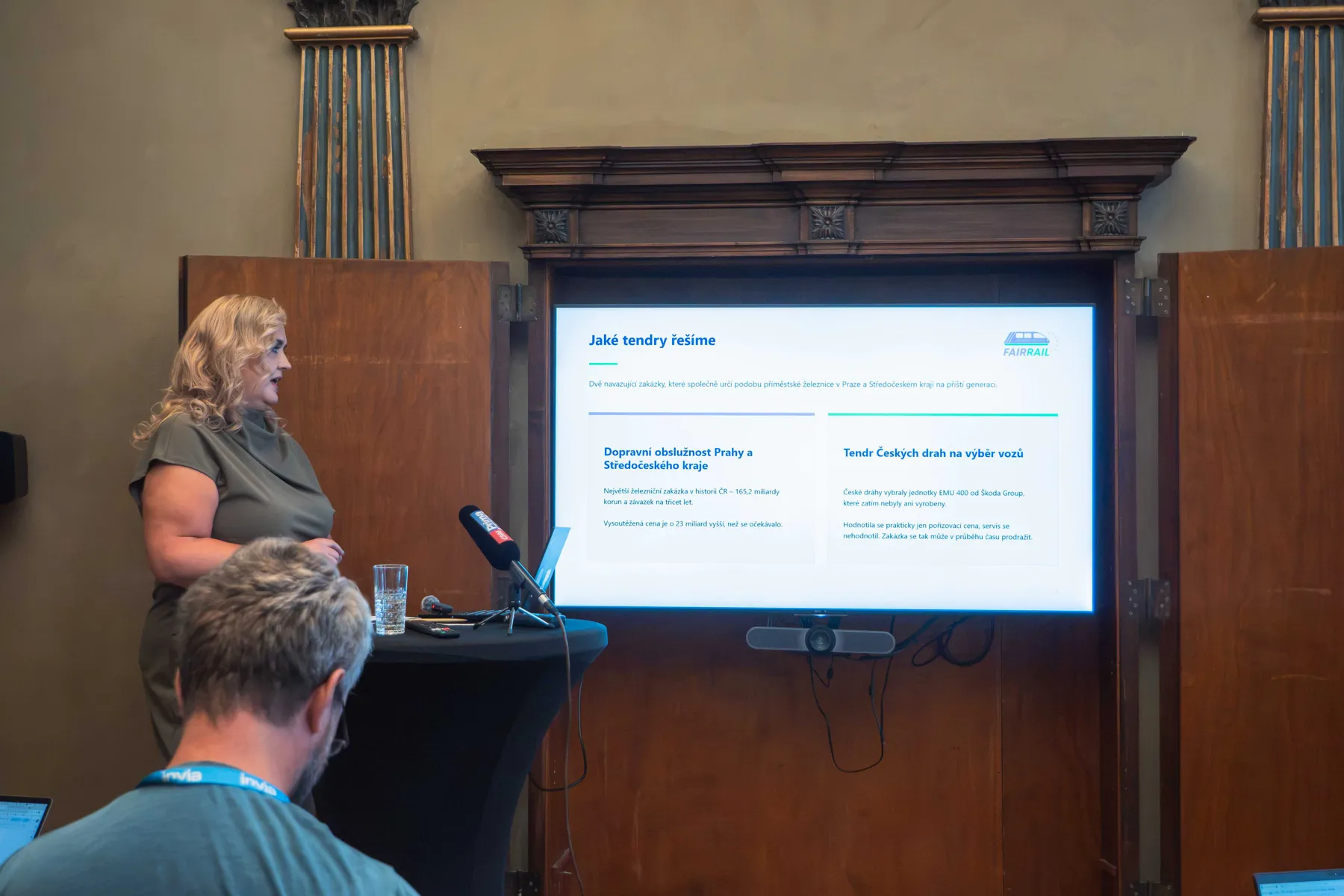
This is the largest railway tender in the history of the Czech Republic. A contract of this magnitude should leave no room for doubt. However, several critical issues remain unresolved, including a final bid exceeding the original estimate by CZK 23 billion, an unusually high number of reserve trainsets, insufficient reference requirements allowing the introduction of an entirely new and unproven train type, and the failure to adequately consider future servicing and maintenance costs when selecting the supplier – a standard practice in comparable tenders across EU countries. Furthermore, the contract is set to run for an exceptionally unusual period of 30 years, a duration rarely seen under European standards. In the EU, contracts and concessions typically run for 12 years, or a maximum of 15 years. “For a contract worth CZK 165 billion and lasting 30 years, it is simply not enough to say that all formal procedures were followed. Elected representatives and the public need to know why the winning bid is more than CZK 23 billion higher than originally estimated, why the contract was tendered as one enormous package, and whether this restricted competition. When only two bids are ultimately submitted, it is reasonable to question whether the tender conditions were properly designed. Moreover, according to our information, the Office for the Protection of Competition is examining a complaint concerning whether such a long-term contract was effectively too difficult for private operators to finance,” said Andrea Kneiflová, Chairwoman of the Fair Rail Association.
Some representatives of the Central Bohemian Region and the City of Prague have also pointed out that they have not received sufficient information about the contract ahead of the vote. A tender structured in this way, raising concerns over the critical issues outlined above, could have a significant negative impact on the operation of public transport in Prague and the Central Bohemian Region. Such a situation is entirely unacceptable. “The trainsets intended to replace the existing CityElefant trains will provide essential transport services for tens of millions of passengers annually across the wider Prague metropolitan area. It is therefore reasonable to ask where such a train is currently operating in regular service and whether its reliability will be higher than that of the existing CityElefant fleet. That is why we are appealing to every elected representative: request the detailed information necessary to make an informed decision, and do not vote until all major concerns have been resolved,” Kneiflová stated.
Reserve Trainsets Account for a Quarter of the Entire Tender
The estimated value of the contract was CZK 141.9 billion excluding VAT. The winning bid submitted by Czech Railways amounted to CZK 165.2 billion. However, the problem did not begin with the winning bid itself, but with the original structure of the tender. The contract was launched as a single enormous package covering the entire Prague metropolitan area and the Central Bohemian Region, with a commitment lasting 30 years. This approach significantly narrowed the pool of potential bidders. “The final price is almost 20% higher than originally expected, and nobody finds that strange? A tender in which only two bidders remained did not generate sufficient competitive pressure on the price. That is also why the final contract value is CZK 23 billion higher than anticipated,” commented Fair Rail Chairwoman Andrea Kneiflová.
The structure of the tender itself also contributes to the high overall cost. It specifically requires 16 reserve trainsets in addition to 44 operational units, even though comparable fleets abroad typically operate with significantly fewer spare vehicles. “In practice, this means that as much as a quarter of the entire tender consists of reserve trainsets. This is not what I consider efficient management of public funds. If we drew inspiration from international practice, we could save billions of Czech crowns,” said Andrea Kneiflová, questioning the tender’s requirements.
Maintenance Costs Were Not Evaluated, Potentially Making Trains Significantly More Expensive to Operate
The concerns are not limited to the tender organised by the Central Bohemian Region and the City of Prague. They also extend to the conditions of Czech Railways’ procurement procedure for the supplier of the new trainsets. The actual costs of vehicle servicing were not sufficiently reflected in the evaluation of bids, potentially making the trains considerably more expensive to operate over their lifetime. The purchase price accounted for approximately 91% of the evaluation criteria, while servicing and maintenance costs were excluded from the assessment for reasons that remain unclear. Had the contracting authority evaluated these costs, as is common practice abroad and also in the Czech Republic, for example in the procurement of vehicle fleets for defence forces, the outcome of the tender for new trains would very likely have been different.
“The trainsets selected on the basis of the lowest purchase price may ultimately prove significantly more expensive during operation. A bid cannot be considered the best simply because it performs most favourably in one part of the evaluation. As Tomáš Baťa once said, ‘I am not rich enough to buy cheap things.’ Decisions of this importance also require common sense,” Kneiflová summarised the issue.
Fair Rail Urges Elected Representatives to Thoroughly Examine All Critical Aspects of the Tender Before Making a Decision
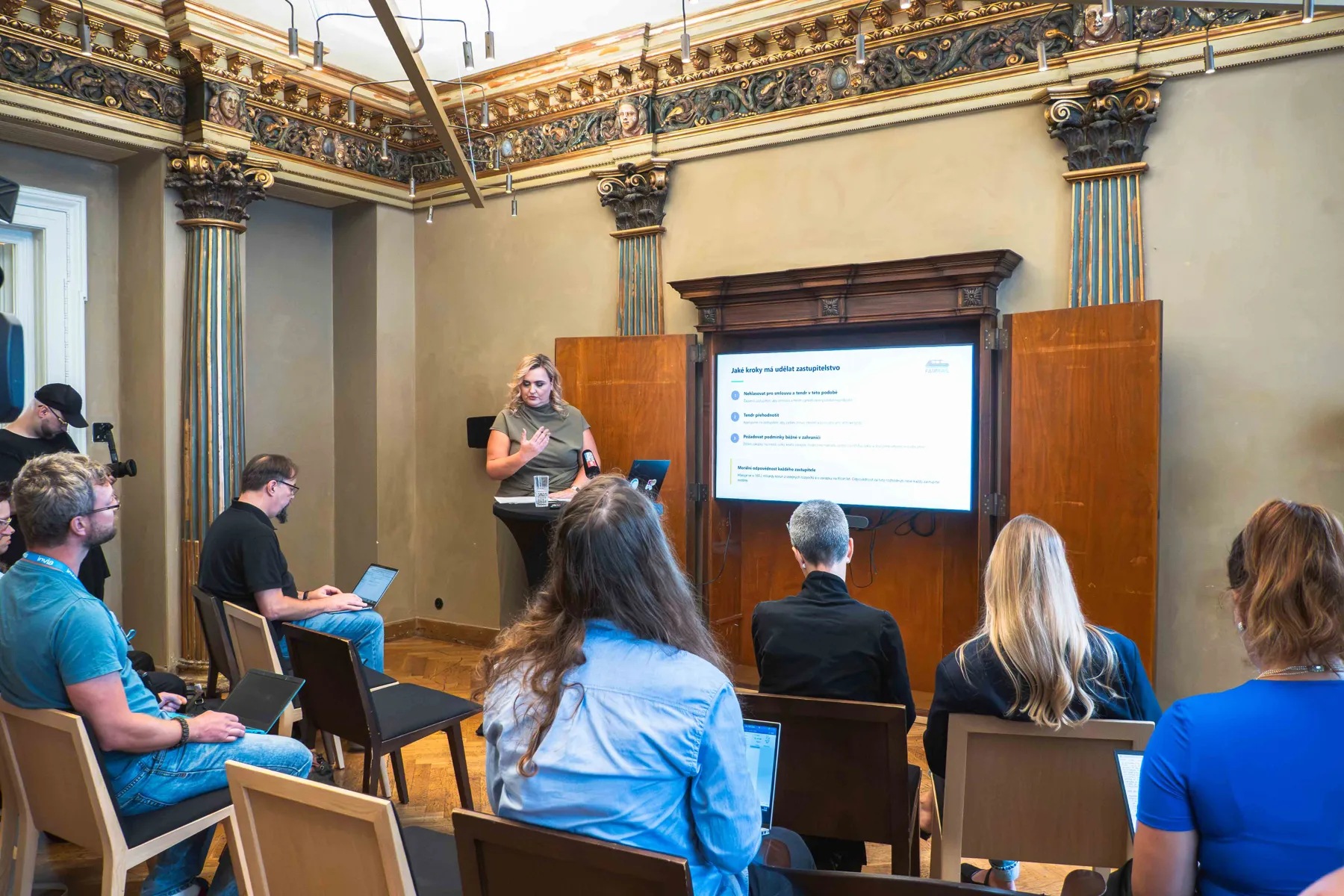
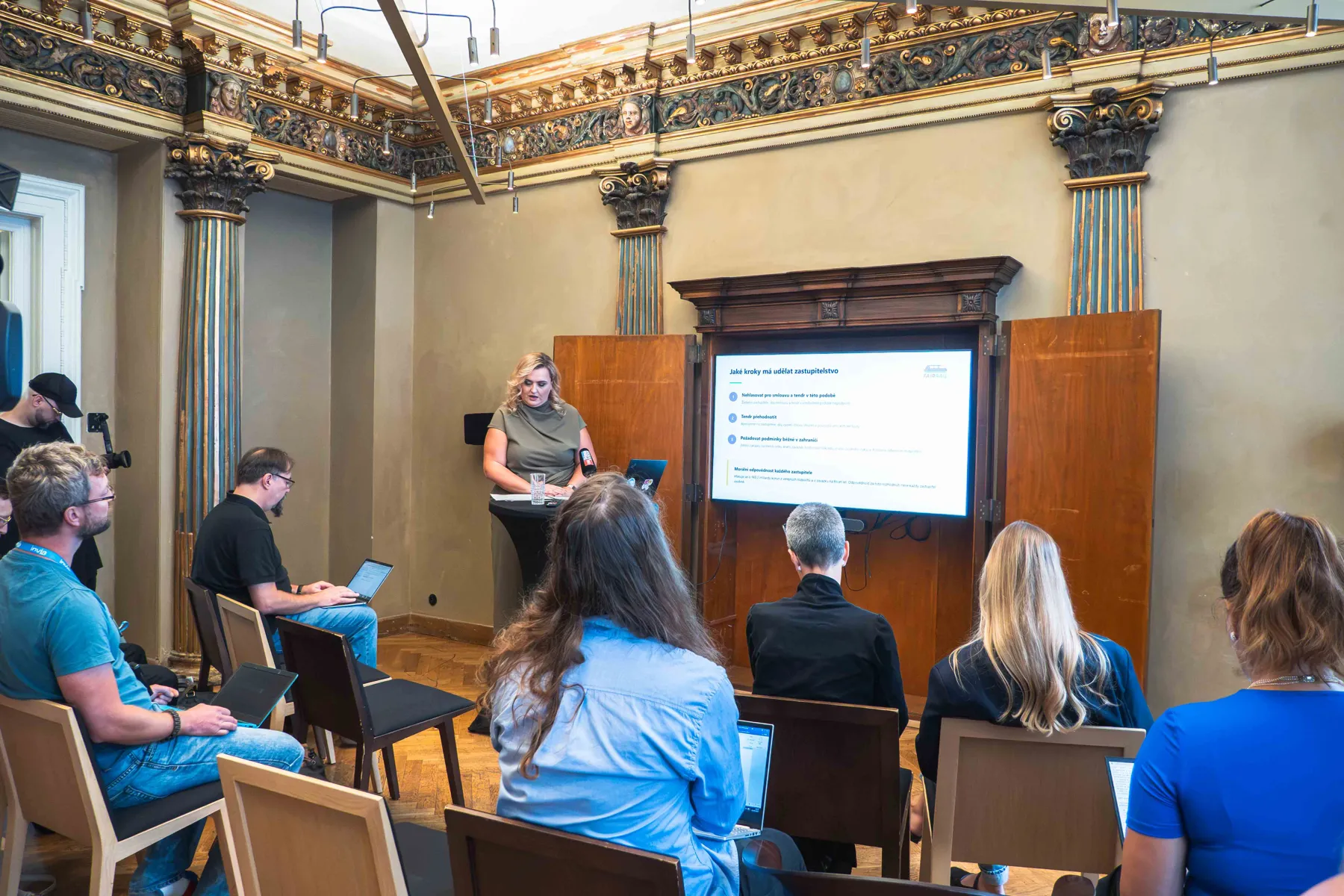
Fair Rail will send an open letter to representatives of the City of Prague and the Central Bohemian Region, urging them to carefully consider their position before approving a megatender structured in this way and to obtain all the information necessary to make an informed decision. The association is also calling for the approval process to be postponed until a final, legally binding decision has been issued by the Office for the Protection of Competition (ÚOHS). In addition, Fair Rail is requesting an explanation of the difference between the estimated contract value and the winning bid, documented references for the selected rolling stock, an assessment of the total lifecycle costs, and a review of the number of reserve trainsets required. “Elected representatives are not simply deciding on a single tender. They are determining the future of regional railway transport for an entire generation. That is precisely why they should not vote until they are certain that the tender conditions were established transparently, economically and in accordance with European best practices,” concluded Andrea Kneiflová on behalf of the Fair Rail Association.